
Chinese herbal medicine grew out of more than two thousand years of clinical observation in East Asia. Rather than treating a single lab marker in isolation, it looks at the whole person—sleep, digestion, energy, mood, cycle, and constitution—and then matches a custom formula to that pattern. In practice that means we rarely use one herb. Classic prescriptions combine plants so that one addresses the main complaint, others support or moderate it, and the formula as a whole is easier on the body than any single strong ingredient.
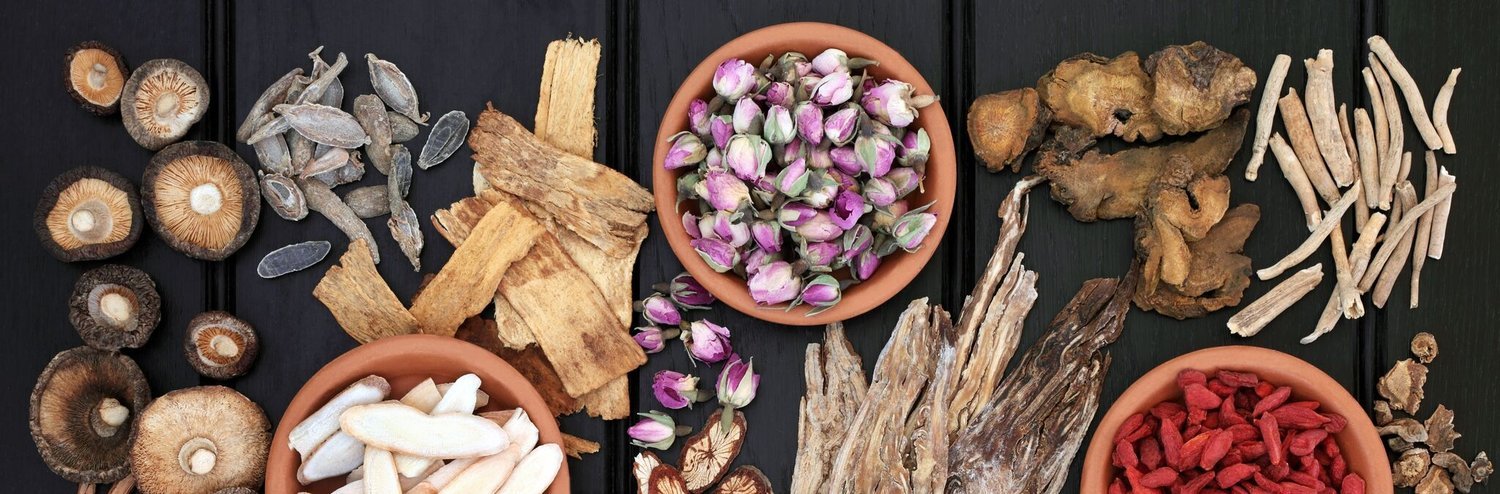
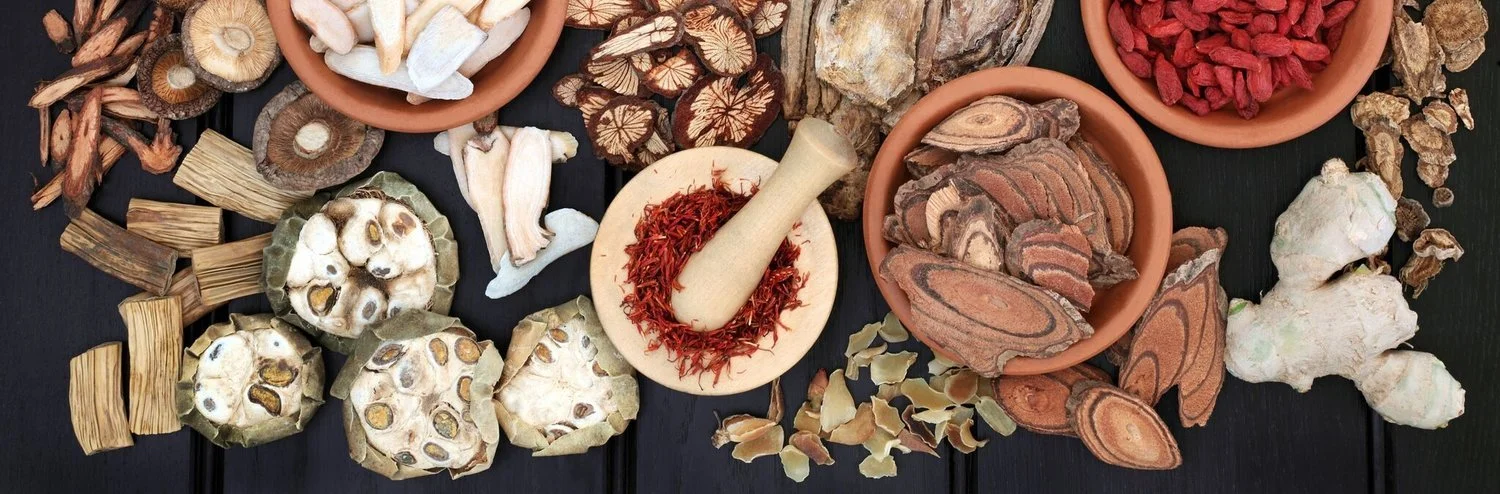
Modern research has begun to catch up with that tradition. The best-known example is artemisinin, isolated from sweet wormwood (qinghao) after scientists followed an ancient preparation method; it became a first-line antimalarial and earned a Nobel Prize. More recently, a large double-blind trial published in Nature Medicine (2024) found that the classic heart-failure formula Qiliqiangxin, added to standard care, reduced the combined risk of hospitalisation and cardiovascular death. Other controlled studies and systematic reviews have shown benefit for irritable bowel symptoms, certain menopausal complaints and blood-pressure support to name a few. These results do not mean every traditional claim is proven yet. They do mean that, for carefully chosen conditions, well-made formulas can produce measurable change.
This is how I work. I start with a proper consultation: your history, current medicines, and what you most want to change. I generally use herbal medicine alongside acupuncture. I will write an individual prescription rather than handing you a generic bottle off a shelf. The herbal dispensaries I work with provide practitioner-only products from suppliers that test regularly for identity, potency, heavy metals, pesticides and microbial contamination. I use this higher professional range precisely because quality and safety are not optional. I also check for interactions with any pharmaceuticals you already take, and together we will review your progress regularly, so the formula can be adjusted as you improve.
You do not need to understand qi or organ theory to benefit. You only need a clear goal and a practitioner who will listen, prescribe carefully, and keep the medicine both traditional in design and modern in quality. If that sounds useful, book a consultation and we will see whether Chinese herbal medicine is a good fit for you.